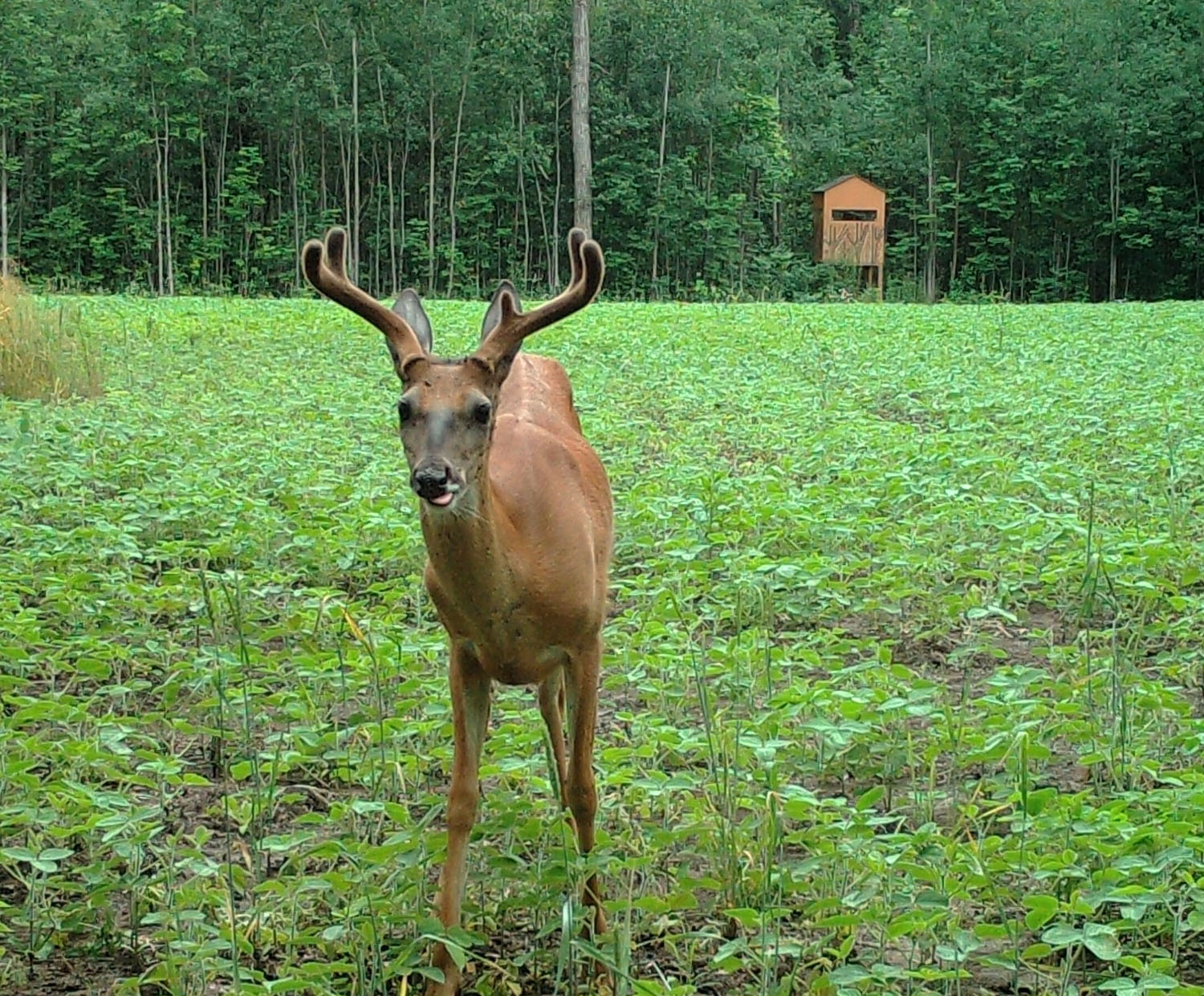
I get the question a lot of times, when building a new food plot for someone, where should I put the deer stands? What I generally say is, “Let's wait to see how and where the deer will be coming to the plot first.” Basically we have just changed the landscape and the deer will also change their travel patterns because of this. It doesn't take long and you will be able to find a good location for your stand.
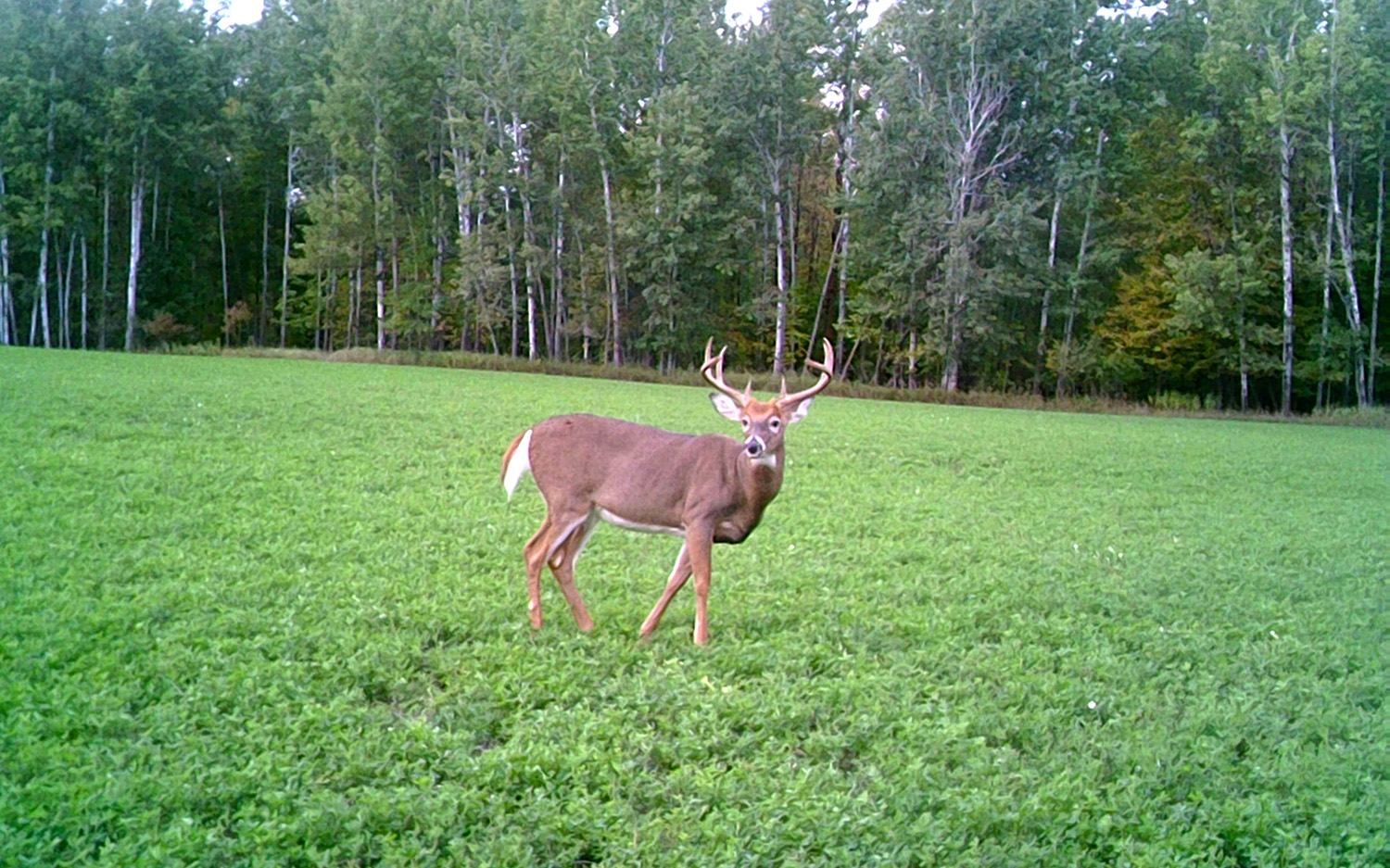
What makes winter rye a good choice for food plots is that it will grow just about anywhere, even from poorer soil that might range from dry to wet, poorly drained soil.
Winter rye is not to be confused with rye grass. Rye grass is a perennial grass that I have never found to be on top of the deer’s choice of something good to eat.
Winter rye is the hardiest of all cereal grains. Compared to other cereal grains, rye grows faster, requires little or even no fertilizer, but, of course, some fertilizer is always advised. Rye also produces a lot of tons-per-acre of good palatable food for deer that is as high as 20% protein well into the winter and comes up early in the spring to give the deer the first good food of the year.

Get your CWD test kits now from the Minnesota DNR and MDHA. Claim your free kits online today and discover more about CWD management areas and new regulations that could impact your 2023 hunting season.
Request your kit from MDHA Website
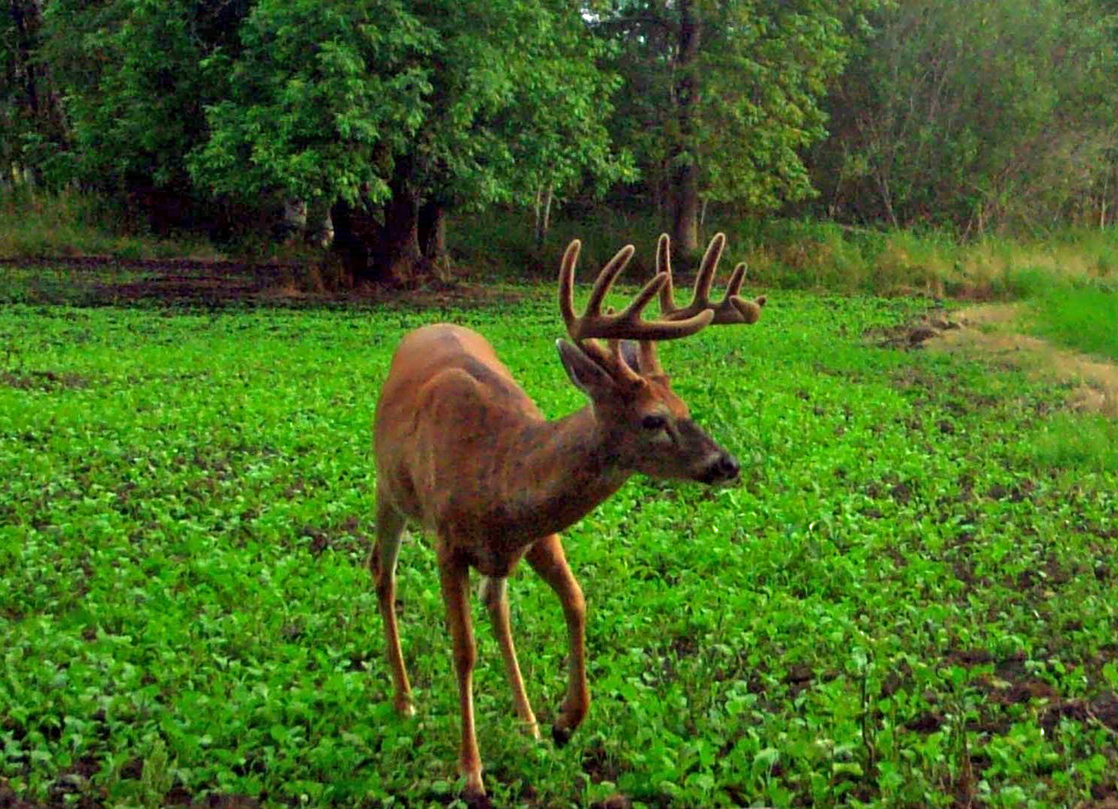
More and more of the so called “experts” on food plots are pushing (trying to sell) these magical liquid calcium and liquid fertilizers as the answer to all the fertility needs of your food plots.
Liquid calcium/lime and liquid fertilizers are getting to be the mainstay in the vast marketplace of less than reputable soil fertility amendments.
Let's take a look at what's really in these and what you are really getting when you use them.

Congratulations Craig Evavold, winner of the 2023 MDHA Chevrolet Truck Raffle. A Chevrolet Silverado 1500 from Alexandria Motors was presented to Craig at Alexandria Motors, Alexandria. June 15, 2023.
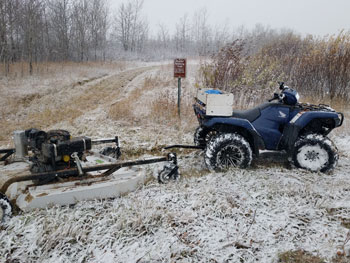
Kelly Turgeon: Adopt-a-WMA Volunteer
Kelly Turgeon is president of the North Red River Chapter of Minnesota Deer Hunter's Association (MDHA) and leads roughly 225 members. When the opportunity came for North Red River MDHA to become involved in Adopt-a-WMA (wildlife management area), they saw the opportunity to help foster improved access and wildlife habitat projects for the benefit of wildlife
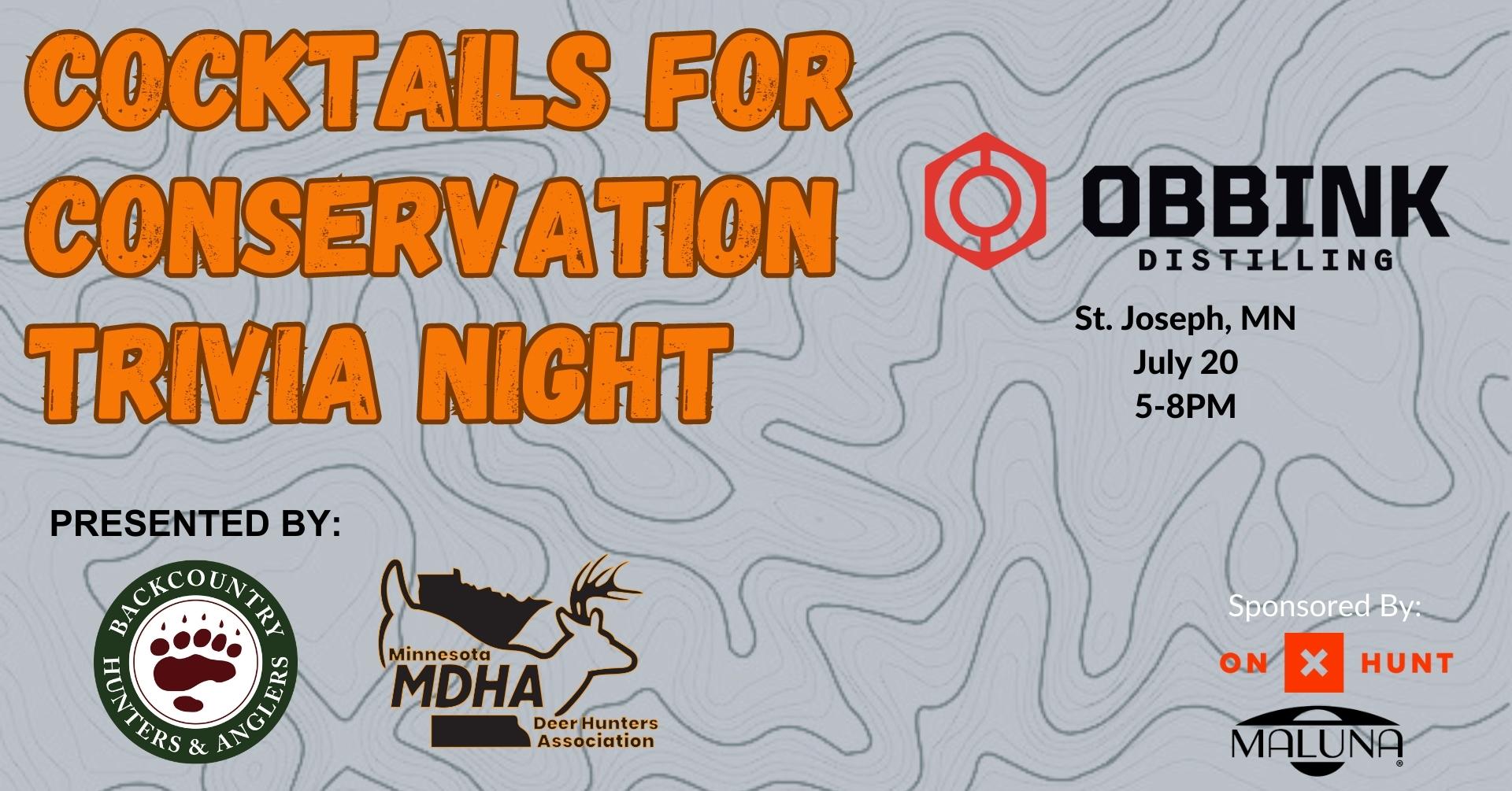
Come test your knowledge of wildlife, public lands, and conservation at the brand new Obbink Distilling Company in St. Joseph, MN.
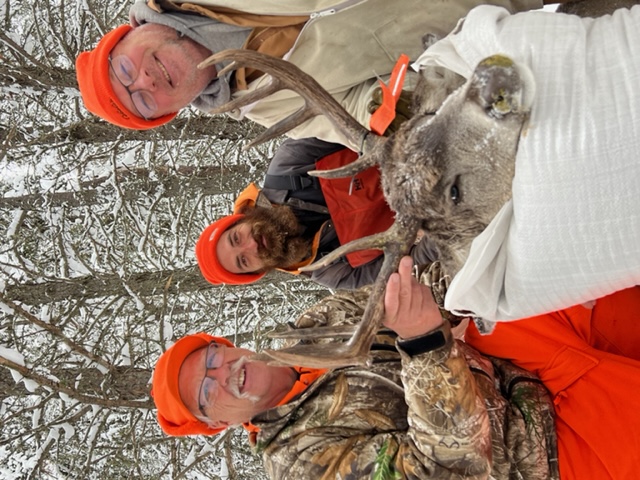
By Denny and Brent Lemler
It started a few years ago on a fishing trip to Lake Winnipeg for those green-back walleyes with Scott Lane. We go back many years with Scott, hunting or fishing trips out West and Canada, hunting elk, mule deer, whitetail deer, moose and turkeys.
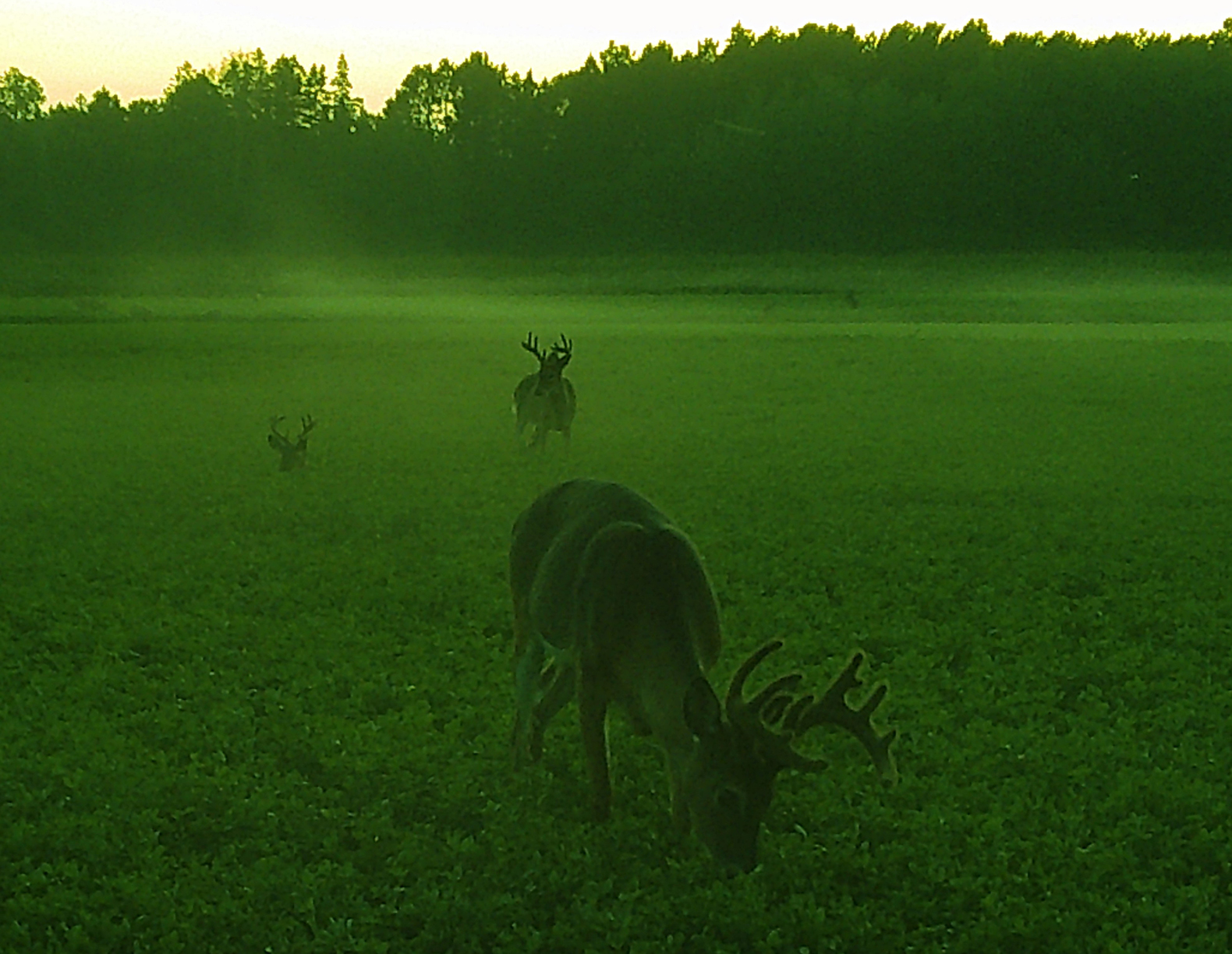
Looking back at the years of food plots I've built and planted have been probably more years that I care to remember, but I have had a considerable amount of experience to be able to look back and realize what works and what has not been so productive.
Over the years, there have been a lot of ideas and or, thoughts of what you should do or what you should be doing. A lot of these “ideas” or “plans” are simply to fill pages in a magazines or articles on social media. If there wasn't new and exciting things to look at, people wouldn't be buying magazines or reading on the internet from these “so called experts”. Who wants to listen to the same old mundane methods that actually work? If it's on the internet or in print, it has to be true!
It's fun to try new things, but some of these new marvels are not always very reliable. For example, throwing your seed on untilled ground or, my favorite, the liquid fertilizers and liquid lime. “Put a pint of this on your 1 acre food plot and magic happens.” Really? Simply put, if this was so great, why isn't it setting the agricultural world on fire? It isn't and in reality, it would take so many gallons of this per acre that it never would be the economic and labor free product they claim it to be.
The same seed company that goes to great lengths to explain how important it is to fertilize, lime and till the soil so that the seed has perfect seed to soil contact, turns around and says, “just throw this seed on the ground and it grows like magic”. It's all just advertising to sell their product. Think about it.
There are a lot of people out there nowadays specializing in telling you how to manage your hunting lands. I'm not saying all of them, but a lot of them are just talking the talk. Just make sure that they really do know what they're talking about. One of the sure-fire ways I have found to be true about these so called “experts” is food plot locations. I have seen it where , on the map, that they have made for you located a food plot in the middle of a cattail swamp. It seems they never really walked the property. They just took a map off of the internet or simply don't know what they are talking about. They're just making you an attractive map to charge you a large amount of money.
Another good one is telling you to plant certain plants that would never grow there or should never be planted in that soil type. It just sounds good and makes them sound professional, but really won't work.
Another thing to consider is cost. Is it really cost effective or saving you money? You still have to clear, or semi clear, an area which costs money, fertilizing which costs money, seeding which costs money, and then getting poor to mediocre results, which wastes money.
If you're going to spend time and money on a project like this, it would be worth it, in the long run, to do a little more tried and true farming practices, just like farmers do. Hence, all of the deer and large bucks in farm areas. There has to be something that they're doing right.
Basically, don't get caught up in all of the hype out there. A lot of the new seed, magic fertilizers and so called “expert ideas”, are what I like to refer to as the fishing tackle of food plots. After all, most fishing tackle is to hook the fisherman, not the fish.
Article By Jim Sobolik
Trophy Buck Food Plots

Minnesota Deer Hunters Association
460 Peterson Rd
Grand Rapids, Minnesota 55744